Brand Identity: How AI Can Affect Visual Consistency
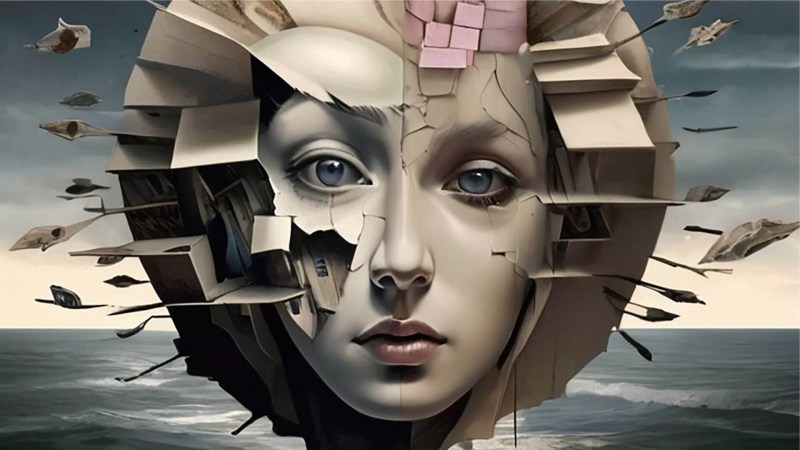
Canva, Midjourney, Leonardo AI, and OpenAI remain just a handful of the AI-driven tools that modern companies are increasingly tempted to leverage in order to procure visual identity materials faster and cheaper. Regrettably, this is a highly precarious decision that can ultimately incur expenses vastly exceeding the price of commissioning classical, professional design.
Artificial intelligence is simply not yet equipped to author genuinely original graphics that are meticulously tailored to a specific target market. Rather than manifesting an uptick in sales and a more formidable brand, an AI-generated design can easily precipitate substantial commercial losses. Here is precisely why.
Artificial intelligence can effortlessly compute staggering volumes of data to rapidly mass-produce logos, packaging designs, or supplementary visual elements, yet it remains entirely incapable of replacing authentic human creativity and possessing a profound, nuanced understanding of brand identity.
Automatically generated designs may superficially appear professional, but they invariably lack the true essence of the brand, making it exceptionally difficult to cultivate a truly memorable brand identity. Over 80% of all purchasing decisions are heavily influenced by raw human emotion, which unequivocally means that authentic, deeply resonant communication with the public remains absolutely essential.
Current AI models are exclusively optimised for digital design, yet they routinely instigate monumental problems when transitioning into physical printed material production.
Colour conversion fiascos → AI inherently operates using the RGB colour spectrum, whereas commercial typographies strictly mandate CMYK, an unavoidable discrepancy that regularly results in severe colour deviations. The absence of bleed areas → Bereft of vital safety margins, print materials can frequently be incorrectly truncated during the physical cutting process. Erroneous file formatting → AI exclusively spits out raster imagery (JPG, PNG) which catastrophically loses clarity when scaled up, whereas professional print materials absolutely require infinitely scalable vectorial formats (PDF, SVG, AI, EPS).
These seemingly trivial errors can utterly compromise the consistency of your brand identity and inevitably inflict considerable supplementary costs as materials are forced to be entirely remade.
Read also: How to Save Money with Custom Labels and Efficient Design

Deploying AI within branding can swiftly induce glaring visual inconsistencies and an overriding absence of an authentic brand identity. Though AI admittedly accelerates the initial design timeframe, it simply cannot supplant bespoke human creativity alongside a genuinely coherent visual strategy.
AI solely engineers designs heavily predicated upon existing, pre-existing models, which unequivocally dictates that it is fundamentally incapable of generating truly original elements.
When coerced into producing variations, AI frequently concocts distorted imagery riddled with bizarre, unnatural details. If you genuinely desire a distinctive logo, an authentic visual experience, and truly unique branding, the direct involvement of a professional designer is not optional; it is essential.
AI tools critically fail to comprehend the core values and distinct personality of a brand, frequently culminating in jarring visual inconsistencies.
If you attempt to rapidly churn out new materials vaguely based upon your existing branding, AI is highly prone to generating images that egregiously disregard the brand's established visual coherence. This profoundly damages brand recognition and invariably confuses your target audience.
To secure a powerful and impeccably unified brand, you fundamentally require authentic human creativity, innately capable of seamlessly weaving raw emotion, genuine authenticity, and razor-sharp strategy into every single visual element.
Read also: Brand Creation: The Complete Guide to a Unified Online and Offline Brand
Although AI can undoubtedly save initial time and capital, it remains wholly impotent in forging authentic, resonating connections between human beings. For a truly unique brand that compellingly convinces through emotion and flawlessly authentic experiences, speak directly with a professional designer.